

Genesis
Old Testament Gospels

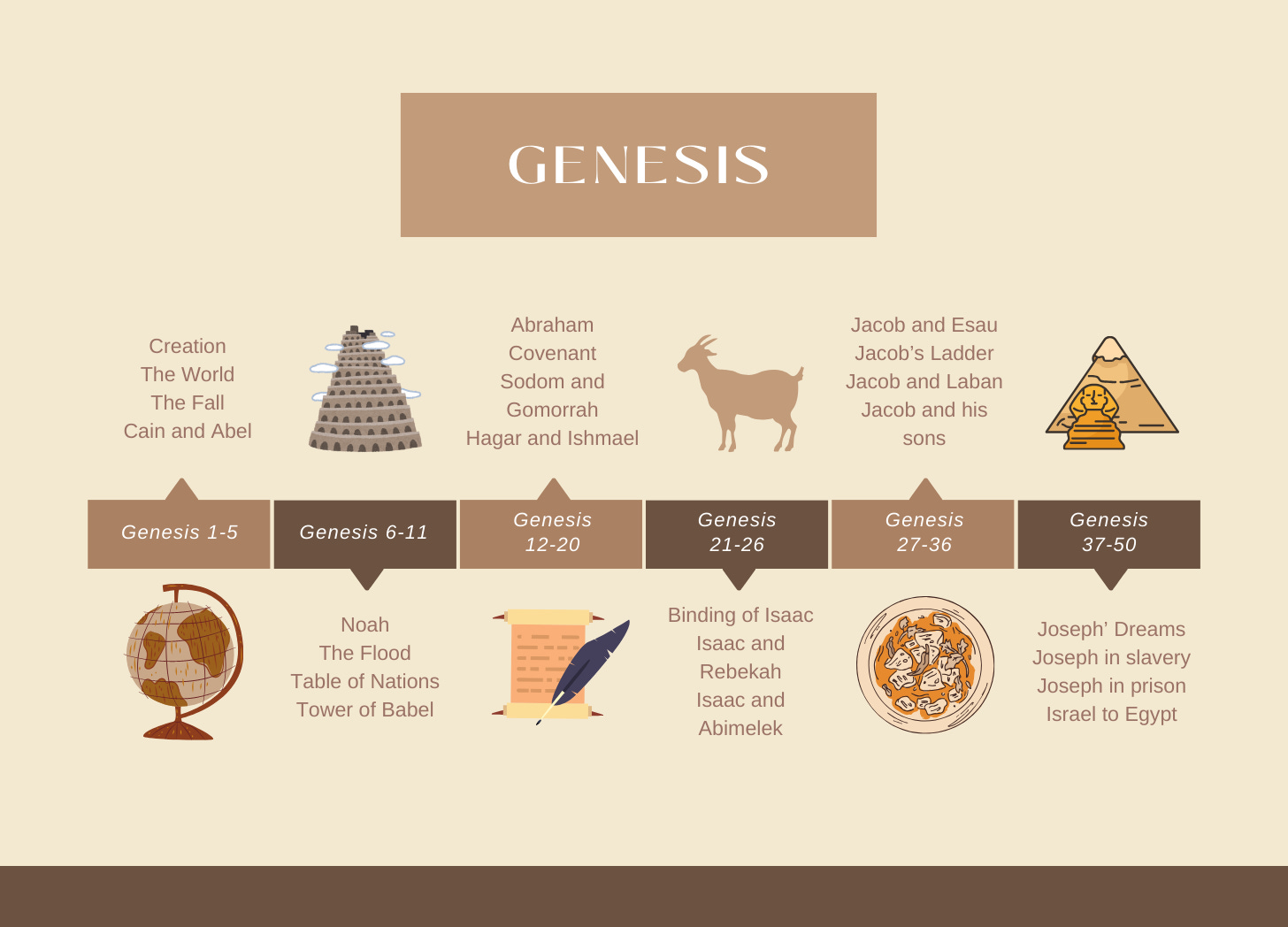
As I begin to write this post, I’m struck by how hard it is to start something well, let alone end it. Genesis is truly a book of beginnings, starting off with nothing. But it doesn’t last long, as God gives shape to an empty formless void. God is organizing the primal building blocks in such a way to bring life and provide what is good. Goodness is an integral part of the creation story. What does that tell you about God?

God forms the world and places people in a garden, providing them good work to do. But it does not last. Sin enters the world. Death. Through a rebellion against God’s goodness to grasp what was not meant to be taken, beginning the long journey of God attempting to restore that goodness. The narrative reminds us again and again of how God is intending good, but people mess it up. Through Cain killing his brother. Through whatever the unholy pairing of the sons of God and the daughters of humans was (Gen. 6). Sin has infected every part of human nature to the point that every inclination and thought of the human heart was evil (Gen. 6:5). God wants to redeem it. This plan starts, sort of, with Abraham. God blesses Abraham and tells him he will be a blessing to the nations. This person will have many descendants and through this nation blessings will come. But this nation is not perfect. They continue to lie and deceive (see Jacob’s many deceptions). Sin has marred all people, preventing them from engaging in the goodness of God. But God promises it is through this nation that things will be restored.

Joseph’s story is a clear example of the way in which God is at work in people to bring about His goodness, rather than to simply let us live in our sin. Joseph’s brothers are jealous of the way Jacob treats him. They begin to conspire about how to get rid of Joseph. Finally, selling him to slavers who take Joseph to Egypt. Joseph ends up in the household of Potiphar, where he serves well, bringing goodness to the home. But it doesn’t last. Joseph is the victim of a false accusation. Potiphar’s wife accuses Joseph and he is thrown into prison for years. Pharaoh is wrestling with a dream which none of his wise men can interpret. Joseph is brought Pharaoh to interpret this dream. Using God’s wisdom, not his own, Joseph is able to guide Egypt to care for the bountiful years to prepare for the lean years. The story of Genesis starts with humans attempting to decide for themselves what is good, bringing sin into the world. And then Joseph is an example of what might come about when people submit to God’s definition of goodness, learning and listening to His way of doing things. Jacob and his family is in the depths of famine, and the brothers travel to Egypt to find food. Joseph, at first, is obviously quite bothered by this fact, but ultimately reconciles with his family, bringing all of Jacob’s family to Egypt so they can live in prosperity.
In this story of Joseph, we get a glimpse of the Gospel of Jesus. In the last chapter, Joseph says, “you intended to harm me, but God intended it for good to accomplish what is now being done, the saving of many lives.” (Gen. 50:20). Through the obedience of one man, many were saved. Joseph submitted to God’s ways. Jesus is the whole fulfillment of that picture, perfect submission to the ways of God to trust His goodness beyond our own idea of goodness. Jesus, who many intended to harm, submitted Himself to God who intended Jesus’ death for what is being done right now, the saving of many lives.
This is an important theme for us to consider. Obedience to God is not simply for ourselves to end up in heaven or something, but rather it is about the flourishing of the world. Our obedience, as we follow Jesus, is not simply in pursuit of blessing for our own lives, but in blessing for those around us. The promise to Abraham was for his descendants to be many and to be a blessing to the nations, which we see with how Joseph blesses Egypt by providing a way forward through famine. Genesis is clear, that although God is using a chosen people, the future nation of Israel by blessing them in particular, it is meant to extend outward towards others. If we read Genesis, without seeing God’s mission clearly, then we miss much of how Israel fails in the rest of the Old Testament. It is not simply Israel failing to get to heaven, but rather preventing the nations from being blessed as well.
Genesis is a deep book. We have not even dug a foot in. There is more to explore in this book, and many other allusions to Jesus, foreshadowing His coming and what He will accomplish. And diving deeper would require a much bigger exploration of each part. However, a main theme we must keep in place is that regardless of human failings God is at work providing what is necessary for us to have relationship with Him. Keeping in mind God’s work in being both the initiator of redeeming us and the provider of that redemption is crucial in getting to understand the rest of the Bible and the ways the New Testament pick up this theme.
The main takeaways from Genesis, is that God created the world good. Humans ruined the good creation through sin. God is working to restore the goodness of the world through people, mainly Abraham and the nation of Israel that will be birthed from him. Genesis’ end demonstrates how God does this. Although people intend evil, through someone’s obedience (in this case Joseph) God produces goodness. Leading to the Israelites (and Egypt!) being saved from a famine. One person’s obedience that leads to the saving of many lives (Gen. 50:20) is essentially the Gospel. Pair that with Genesis 22, where God provides the sacrifice so that Abraham does not have to kill Isaac, we are starting to get a picture of the Gospel.